TodayHealth & TechPennsylvania
Epilepsy patients flagged their monitor and cut false alarms
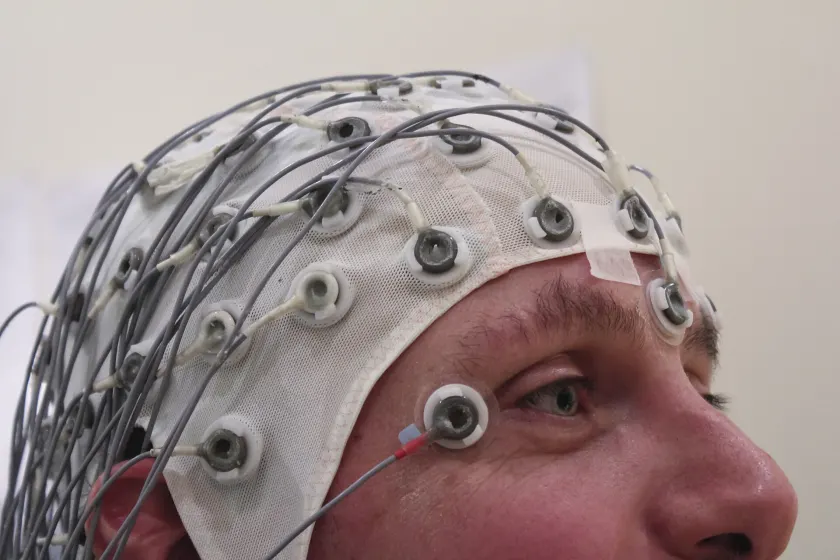
In a small NIH-funded hospital study, 13 patients used a phone app to question their EEG monitor. False seizure alarms fell by about 80 percent. Larger outpatient trials are planned.

Read the original
The reporting lives at National Institutes of Health (NIH). Our summary is checked against it, and we link it on every story.
In a small NIH-funded study at the Hospital of the University of Pennsylvania, 13 people in the epilepsy monitoring unit used a phone app to ask about their own EEG and to mark whether the monitor's seizure alerts were real. The National Institutes of Health said the system answered more than 92 percent of questions about their brain activity accurately, and that patient feedback cut its false-alarm rate by about 80 percent across the hospital stay. The work was published in Nature Medicine on October 13, 2026.
This was a handful of patients in a hospital, not a device anyone can take home yet. The researchers said larger outpatient studies are planned. A few patients asked to leave with the system and were told it is not ready. The result is sharper detection inside that unit. It is not a claim that seizures stopped, or that the tool has been shown to work outside the hospital.
More good news
Other stories in the same neighborhood of kindness.
 Health & Tech
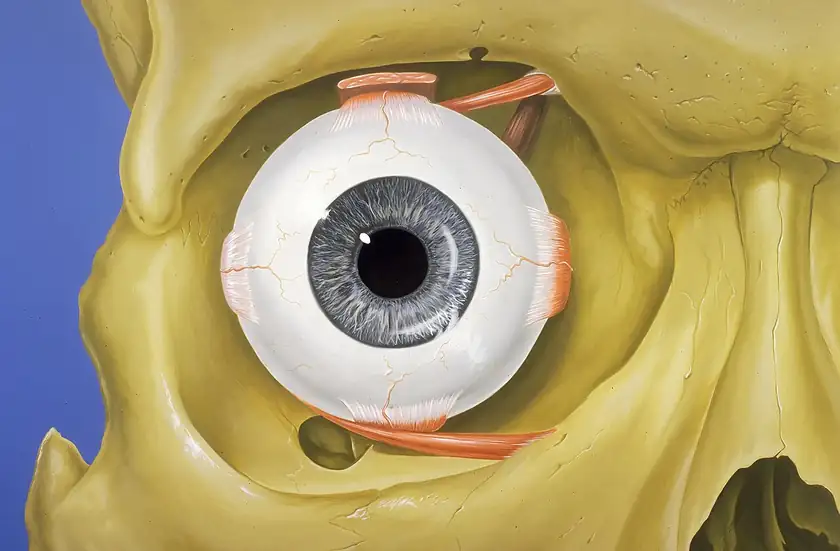
A small trial helped some people with advanced retinitis pigmentosa sense light
Ten people with advanced retinitis pigmentosa received an experimental optogenetic injection plus special goggles. Some sensed light better. Normal vision did not return.
Verified · University of Pittsburgh Community
Spirit Halloween hosts a costume party for hospital patients
Young patients at UPMC Children's Hospital of Pittsburgh picked donated costumes and played games, decorated pumpkins, and played bingo.
Verified · WPXI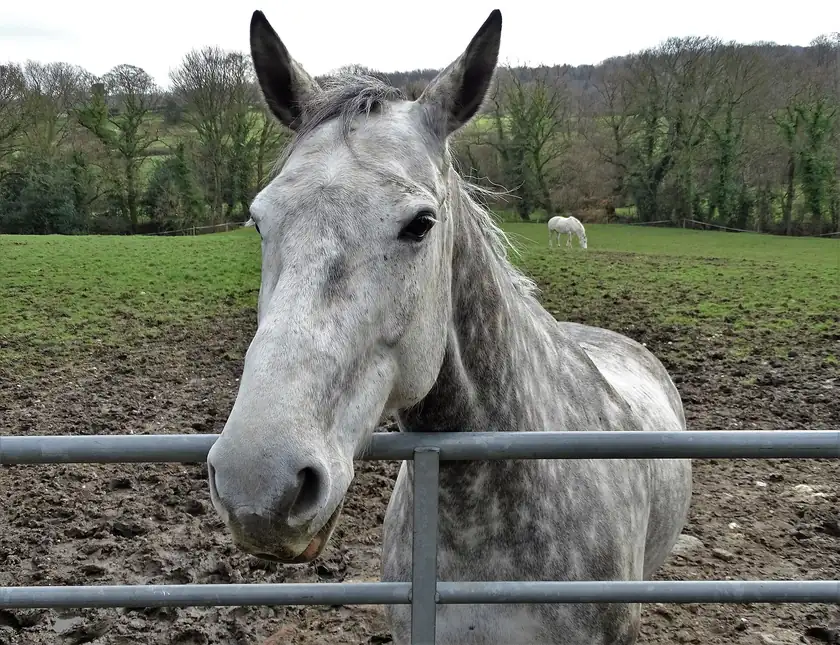 Health & Tech
Horse-assisted therapy lowered stress in autistic children
In a study of 72 children ages 6 to 11, 10 weeks of occupational therapy with horses lowered cortisol more than the same therapy in a clinic. It is not a cure.
Verified · Colorado State University